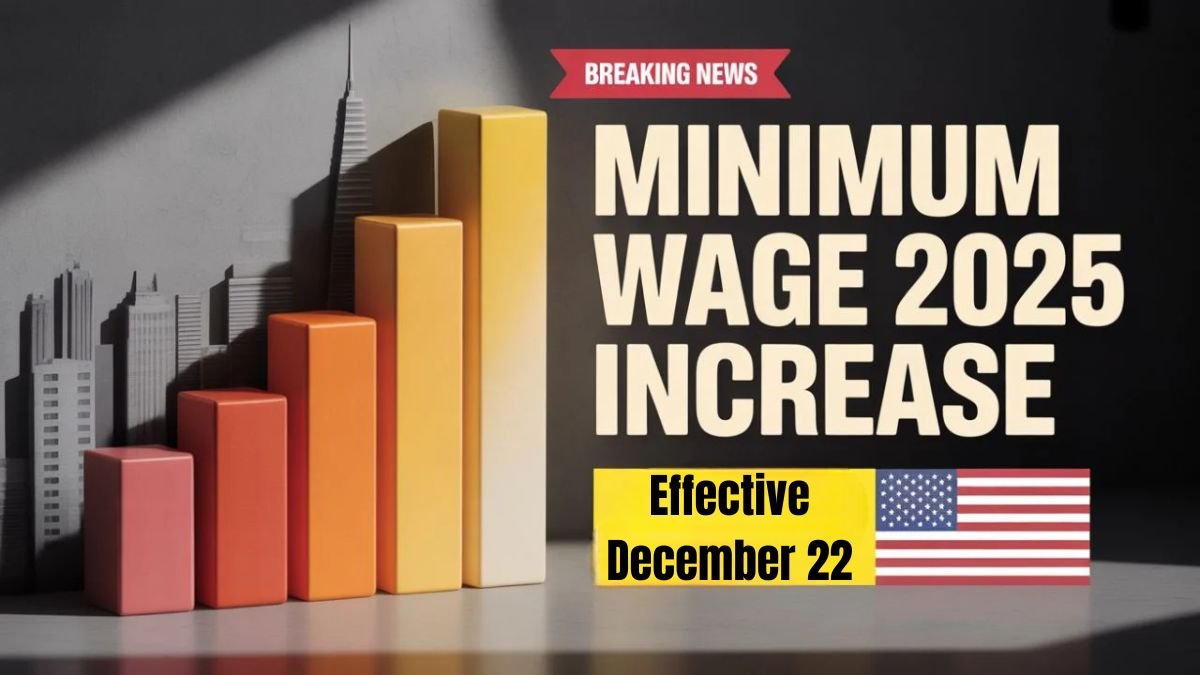
For the millions of American employees, minimum wage is not just a number, but their very foundation through their daily lives, including rent, food, transport, medical, and education for children-they are directly linked to the wages paid by employers. This is why the U.S. minimum wage increase news for 2025 was more poignant as the new hourly wage rates come alive on December 22, 2025.
In this article, we will go through as much detail as possible as to why this increase was considered necessary, which states and employees will be affected, how the new wage rates will be adopted, and what both employees and employers need to know.
What is the minimum wage?
Minimum wage, legally defined as the very lowest amount an employer would owe an employee for work an hour, is meant to prevent an employee from being hired for a very low wage and allow a minimum threshold for maintaining dignity as an income level.
In the United States:
There is a federal minimum wage.
Many states and cities also have their own state-level or local minimum wage laws.
Why was a minimum wage increase needed in 2025?
In the last few years in the United States:
Inflation has steadily increased.
Rent and housing prices have risen.
Healthcare and insurance costs have become more expensive.
Gas and the prices of everyday necessities have increased.
In these circumstances, it was becoming difficult for many employees to make ends meet on their old wages. This is why the decision to increase the minimum wage in 2025 was made to improve the purchasing power of employees.
What will change from December 22, 2025?
From December 22, 2025:
- New hourly minimum wage rates will be implemented.
- In states or cities where it has been mandated, employees will automatically receive the increased wage.
- In many places, this increase will be linked to inflation.
This means that employees will not need to apply separately to receive the new wage—employers will have to implement the new rates themselves.
Which employees will benefit?
These employees will benefit most from the minimum wage increase:
- Retail and Store Workers: Millions of employees working in supermarkets, shopping malls, and retail stores will benefit from this increase.
- Restaurant and Food Service Employees: Fast-food, cafe, and restaurant staff, whose income largely depends on hourly wages.
- Warehouse and Delivery Workers: Those working in the logistics and delivery sector can also expect better earnings.
- Part-Time and Entry-Level Employees: This increase is especially significant for those working part-time or just starting their careers.
Federal vs. State Minimum Wage
It’s important to understand that in the US:
- The federal minimum wage sets a baseline for the entire country.
- However, if a state or city has a higher minimum wage, that rate applies.
- Many states have already set minimum wages higher than the federal rate for 2025. Therefore:
- Some employees may see an even larger increase.
- While in some areas, only the federal change will apply.
What impact will this have on employees’ lives?
The minimum wage increase can bring several positive changes to employees’ lives:
- Easier to manage monthly expenses
- Help with paying rent and utility bills on time
- Reduced reliance on credit cards or loans
- Reduced mental stress
While it’s true that a wage increase alone isn’t enough, it’s a strong start.
What does this mean for employers?
This 2025 increase may present some challenges for employers:
- Increased labor costs
- Updating budgets and payroll systems
- Adjusting employee schedules
But there are also benefits:
- Improved employee satisfaction and retention
- Reduced turnover
- Improved productivity
Will all employees receive the same increase?
Not necessarily. Several points to keep in mind:
- Rules may differ for tipped employees (such as servers).
- Different rates may apply to trainees or apprentices.
- Local laws may differ from federal regulations.
Therefore, employees should check the guidelines of their state or city’s labor department.
What should employees do?
If you are working in the U.S.:
- Carefully check your pay stub.
- Verify whether the new rate was applied after December 22, 2025.
- If your pay is not updated, speak to HR or your manager.
- Contact the Department of Labor if necessary.
Expectations for future increases?
Many experts believe that:
The trend of linking the minimum wage to inflation will increase in the coming years.
Wage competition among states will continue.
A rate of $15 or more per hour may become common in some areas.
Conclusion
The U.S. Minimum Wage Increase 2025, which is set to take effect on December 22, is welcome news for millions of employees. This step will not only increase their income but also help them feel more financially secure. While challenges remain, this increase sends a clear message that wage policies need to be updated to reflect changing times.
If both employees and employers understand and implement this change correctly, this 2025 wage increase could prove to be a positive turning point for the American workforce.
FAQs
Q1. When do the new U.S. minimum wage rates take effect in 2025?
A. The new hourly minimum wage rates become effective on December 22, 2025.
Q2. Who will benefit from the minimum wage increase?
A. Hourly workers, including retail, food service, and entry-level employees, will benefit from the increase.
Q3. Will the minimum wage increase be the same in every state?
A. No, states and cities may set higher minimum wages than the federal rate.